
Hair Perm Glasgow Treatments That Suit Your Style
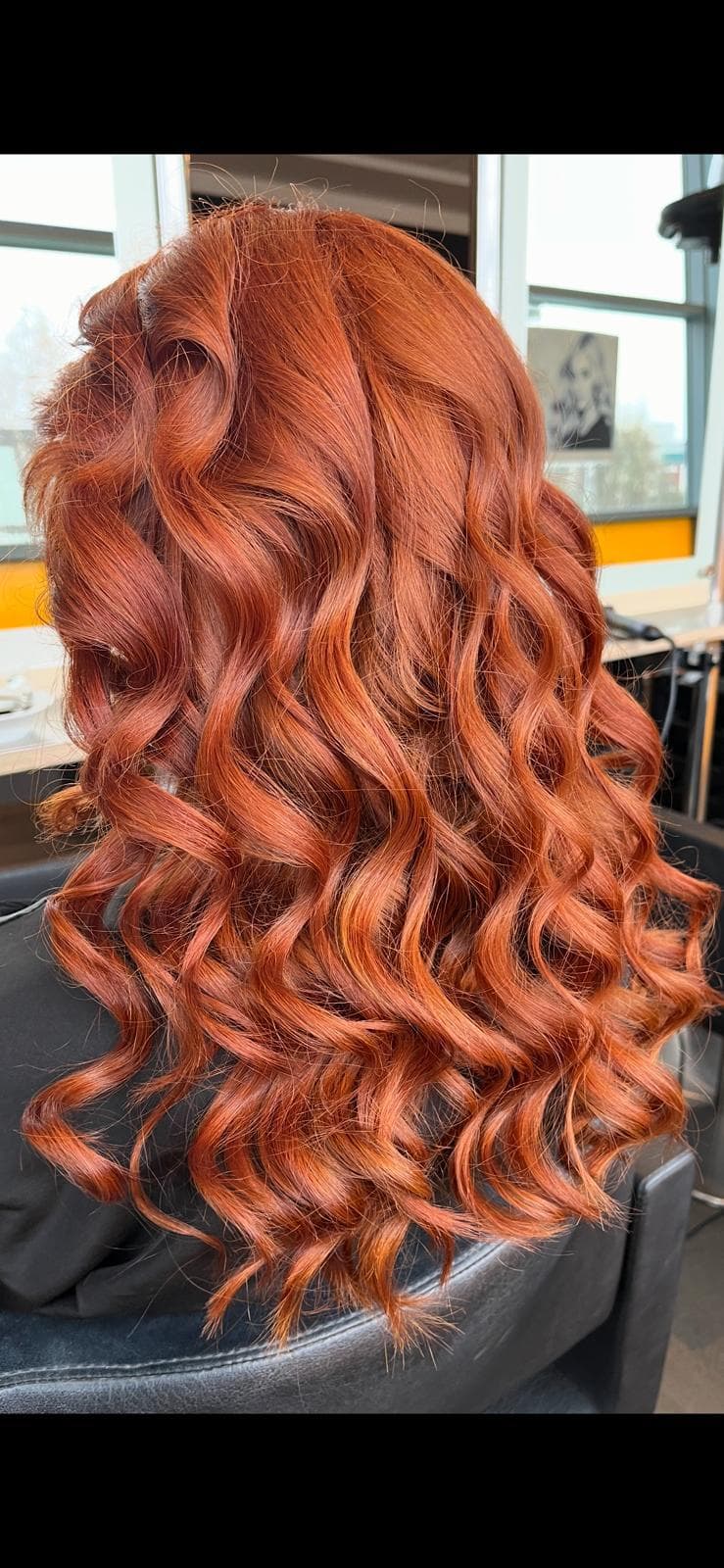
A great hair perm Glasgow appointment is not about leaving the salon with the same tight curls everyone remembers from old photographs. Modern perming is tailored. It can create soft movement through a bob, relaxed beachy texture, a fuller fringe or defined curls that make your natural style feel more like you. The best result starts with an honest conversation about your hair, your routine and how much styling you want to do at home.
At Kroma Hair and Beauty, the focus is always on helping you look and feel fabulous while keeping your hair condition at the heart of every decision. A perm can be a brilliant change, but it is a chemical service, so choosing the right curl pattern and preparation matters just as much as the finished look.
What does a modern hair perm look like?
A perm works by changing the internal bonds of the hair so it can hold a new shape. Your stylist wraps selected sections around rods or tools in a chosen size and placement, applies a waving solution, then neutralises the hair to set the result. The technique is well established, but the creative possibilities are much broader than they once were.
The rod size, sectioning pattern and your starting hair texture all influence the final finish. Larger rods tend to give a looser wave and more body, while smaller rods create tighter, longer-lasting curl. A partial perm may add lift around the crown or softness through the mid-lengths and ends without changing every strand.
This is why pictures are useful, but they are not a promise of an identical result. Hair density, porosity, length and previous colour history mean that one person’s relaxed wave may look quite different on somebody else. A good consultation translates the feeling you like in an image into a realistic plan for your own hair.
Is a hair perm in Glasgow right for your hair?
A perm can suit many hair types, including naturally straight hair that struggles to hold a curl and slightly wavy hair that needs more definition. It is especially appealing if you want more volume without daily heat styling, or if your hair has lost shape and you would like an easier way to style it.
However, it is not the right choice for every head of hair at every moment. Hair that is very lightened, heavily bleached, fragile or compromised by repeated chemical services may need a period of restorative care before perming is considered. Colour correction and a perm, for example, should not be treated as a quick one-appointment transformation simply because both are on your wish list.
Previous services are crucial. Tell your stylist about home colour, box dye, henna, smoothing treatments, relaxers, bleach and any other chemical work, even if it was months ago. This information helps them assess how your hair is likely to respond and protects you from a result that feels dry, uneven or overprocessed.
A strand test or patch test may be recommended depending on the products used and your hair history. It might feel like an extra step when you are excited for a change, but it is one of the most reassuring parts of a professional service. Healthy hair will always give you a better-looking finish.
Your lifestyle matters as much as your curl goal
Be clear about what you mean when you say you want ‘low maintenance’. Curly and waved hair can reduce the need for curling tongs, but it still benefits from the right wash routine, moisture and gentle styling. If you prefer to wash your hair quickly, brush it smooth and leave the house, a loose body perm may be more practical than a defined curl pattern.
Think about your regular style too. If you love a sleek blow-dry every weekend, ask how that will work with your new texture. You can still use heat occasionally with suitable protection, but frequent high heat can make permed hair feel thirsty and shorten the life of the curl. The right perm should complement your real routine, not give you a whole new one to manage.
Choosing your curl, wave or volume
There is no single ‘perm look’. Your stylist can adapt the treatment around the shape you want, the cut you wear and where you need movement.
For a soft, understated finish, a loose wave can make fine or flat hair appear fuller and give a long cut a more lived-in feel. It is a lovely option if you usually want tousled texture rather than a clearly curly result. For more noticeable definition, a tighter curl creates bounce and personality, particularly on layered cuts that allow the texture to sit naturally.
Root volume is another reason clients consider perming. If your hair falls flat at the crown, carefully placed lift can make styling easier without committing every length to a curl. A fringe can also benefit from subtle movement, although placement and length need careful planning so it remains easy to wear day to day.
Your haircut plays a major part. Curls naturally take up length, sometimes more than expected, so a precision cut and a clear conversation about finished length are essential. Layers can bring a curl pattern to life, while too much layering on finer hair may create a shape that feels less full. This is the kind of detail that turns a treatment into a look that suits your face, wardrobe and confidence.
Preparing for your appointment
Come to your consultation with a realistic picture of your current hair journey. Mention when you last coloured, highlighted or lightened it, along with the products and treatments you use at home. If you have inspiration images, bring a mix of styles you love and styles you definitely do not want. Seeing both can help your stylist understand whether you are looking for soft volume, uniform curls or an intentionally undone wave.
Avoid treating a perm like a last-minute fix before a major occasion. Your hair needs time to settle into its new shape, and you may need a little practice with your refreshed routine. Planning ahead gives you space to enjoy the process and make any small styling adjustments before a wedding, holiday or special event.
The appointment length depends on your hair length, density, chosen technique and whether cutting or styling is included. It is worth allowing enough time to relax rather than rushing away. A proper consultation, considered sectioning and clear aftercare advice are all part of the experience.
How to care for permed hair at home
The first few days after a perm are important. Your stylist will tell you when it is safe to shampoo, as the new shape needs time to settle. Once you begin washing as normal, choose products that support moisture and definition rather than stripping the hair.
Conditioning is not optional for most permed hair. Use a nourishing conditioner every wash and consider a suitable treatment when your lengths feel dry. Curly hair often looks its best when it has enough hydration, so gentle scrunching with a curl cream or mousse can encourage the pattern without making it stiff.
Try not to brush dry curls with a traditional brush. This can separate the curl pattern and create unwanted fluff. Instead, detangle gently when your hair is damp using your fingers or a wide-tooth comb. A microfibre towel or soft cotton T-shirt can also be kinder than rough towel drying, which can disturb the cuticle and make hair look frizzy.
Heat styling is still possible, but moderation is wise. Use heat protection, keep tools at an appropriate temperature and give your hair heat-free days wherever you can. Regular trims will keep the ends fresh and help your style retain its shape as it grows out.
How long will a perm last?
Most perms gradually relax over several months, but there is no fixed timetable. The longevity depends on your hair type, the curl size, your aftercare and how often you wash and heat style your hair. Tighter curls generally remain noticeable for longer than a very loose wave, while naturally resistant hair can soften sooner.
As your roots grow through, you will see your natural texture returning at the scalp. That is completely normal. Whether you choose to repeat the service later depends on your hair condition and the look you want next. Sometimes a cut, a colour refresh or a change in styling is the better next step than immediately re-perming.
If you are curious about a hair perm but unsure whether to choose soft movement or a fuller curl, start with a consultation. The right stylist will listen, assess your hair honestly and create a plan that feels exciting without asking your hair to do more than it safely can. The goal is simple: a style that still feels like your best self when you are getting ready on an ordinary Glasgow morning.